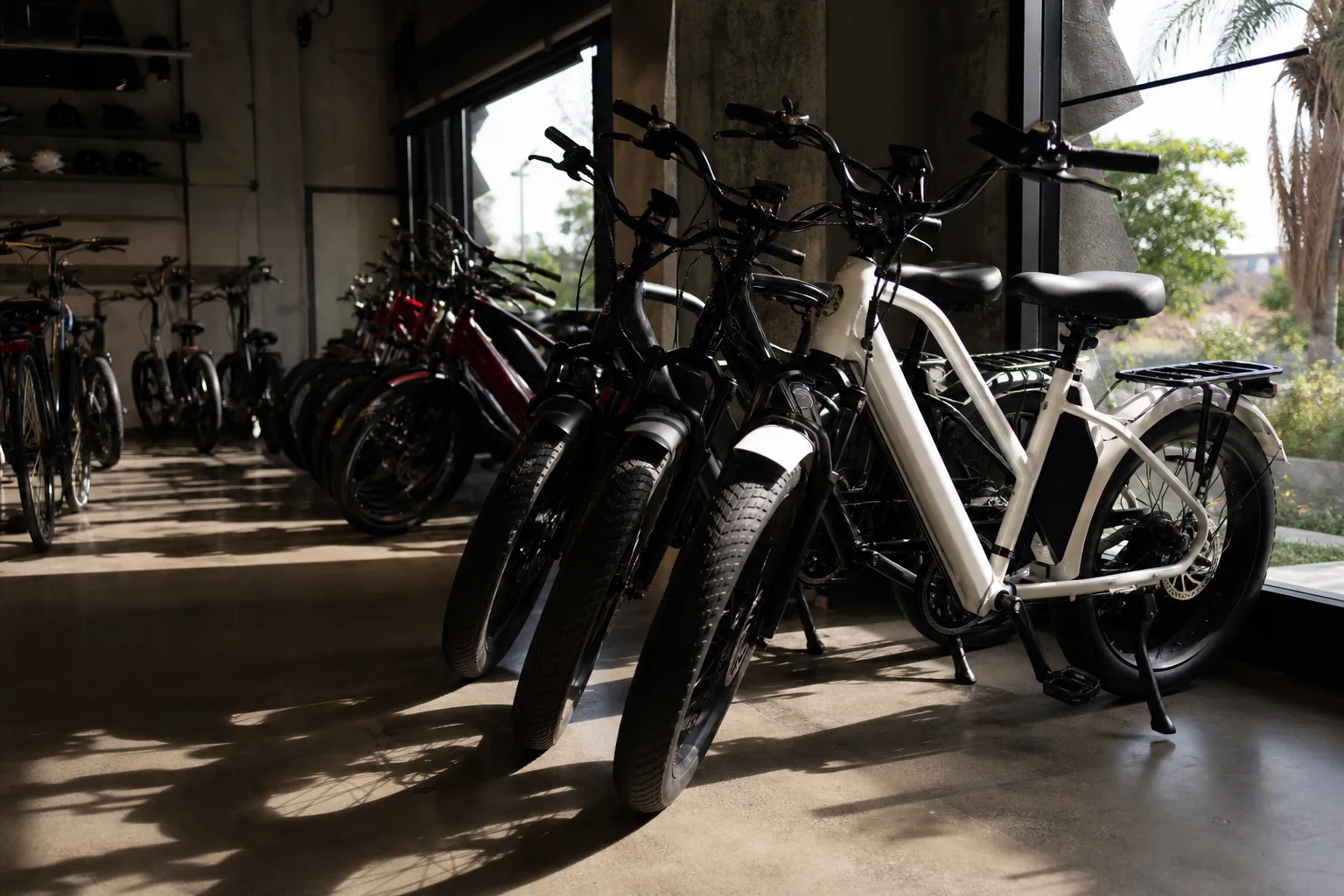
The label on the chainstay of a new electric bicycle, the small sticker giving a class number, a top assisted speed, and a motor wattage, is doing more legal work than most buyers realize. It is the basis on which a state decides whether the machine is a bicycle or a motor vehicle, whether a park agency lets it onto a paved path, and whether a homeowners insurance adjuster treats a collision claim as ordinary or excluded. A careful reader checks five things before the money moves, and each one is answerable in an afternoon.
1. What the class definitions actually say
The three-tier model, drafted by industry and adopted in some form by a majority of states, sorts bikes by how the motor engages and where it stops. Class 1 assists only while the rider pedals and cuts out at 20 miles per hour. Class 2 adds a throttle that can move the bike without pedaling, with the same 20 mile per hour ceiling. Class 3 is pedal assist to 28 miles per hour, and in most enacting states must carry a speedometer. Motor output is typically capped at 750 watts across all three. Upright cruisers sold for casual paved riding are usually Class 1 or Class 2.
2. Whether your state adopted the model, and in what version
Adoption is not uniform, and the differences are not cosmetic. Some states enacted the definitions nearly verbatim, granting ebikes the rights and duties of bicycles on roads and bike lanes. Others kept older mopeds-and-motorized-bicycles language, which can pull a throttle bike into registration or licensing territory. A few permit Class 3 machines on roadways while barring them from shared-use paths by default. The Consumer Product Safety Commission oversees the federal product side of low-speed electric bicycles, but where a bike may lawfully be ridden is a state and local question, answered in a vehicle code rather than a product standard.
3. What the path or beach route says, which may not be the state rule
State law commonly authorizes local agencies to restrict access on trails and paths they control, and many have used that authority. A county park district may allow Class 1 and Class 2 on paved multi-use paths and exclude Class 3 entirely. Beachfront routes are often stricter still, with posted speed limits well under the motor cutoff, occasionally as low as eight or ten miles per hour, enforced by parks staff rather than police. The reliable check is the posted sign at the trailhead and the managing agency's current rule page, since these are revised more often than statutes.
4. Helmets, minimum ages, and sidewalk riding
Helmet mandates in enacting states most often attach to Class 3 riders of every age, and to younger riders on any class, with the age threshold varying from sixteen to eighteen. Minimum operator age for Class 3 is commonly sixteen, while Class 1 and Class 2 usually carry no age floor beyond what a local ordinance imposes. Sidewalk riding is a municipal matter almost everywhere, and a growing number of beach and downtown districts prohibit it for all bicycles, electric or not. Passengers, including children in rear seats, may be governed by separate provisions worth reading before buying a cargo rack.
5. How a collision gets paid for
Homeowners and renters policies often extend personal liability to bicycle accidents, and many carriers treat a conforming low-speed electric bicycle the same way, though some policies exclude motorized conveyances in language written long before these bikes existed. The question to put to the agent, in writing, is whether a 750-watt Class 2 machine falls inside the liability and medical payments coverage, and what the limits are. Where a policy declines, standalone bicycle insurance and personal umbrella coverage both exist. Auto policies rarely respond, since a legal ebike is not a motor vehicle in most states, which is usually the outcome a rider wants.
A buyer who confirms the class sticker, reads the state code section on electric bicycles, checks the two or three paths actually intended for use, and gets a one-line answer from the insurance carrier has removed nearly all of the uncertainty that follows these machines. That work is easier before purchase than after, and the answers tend to point toward a specific class rather than away from the category.